
Risk factors for developing AUD include genetics, environment, and mental health conditions. Co-occurring disorders are common, with many individuals experiencing both AUD and other mental health issues like depression or anxiety. Additionally, if you think you may have panic disorder or another anxiety disorder, it’s crucial to seek help, too.
Step 2 – reduce
This information is vital for creating a personalized and effective treatment plan during the detox can alcohol cause panic attacks and ongoing recovery process. Paroxetine is another SSRI used to treat anxiety disorders, including alcohol-induced anxiety. Sweating, particularly night sweats, affects 50-70% of individuals with alcohol-induced anxiety disorder. This symptom results from the body’s attempt to regulate itself during alcohol withdrawal.
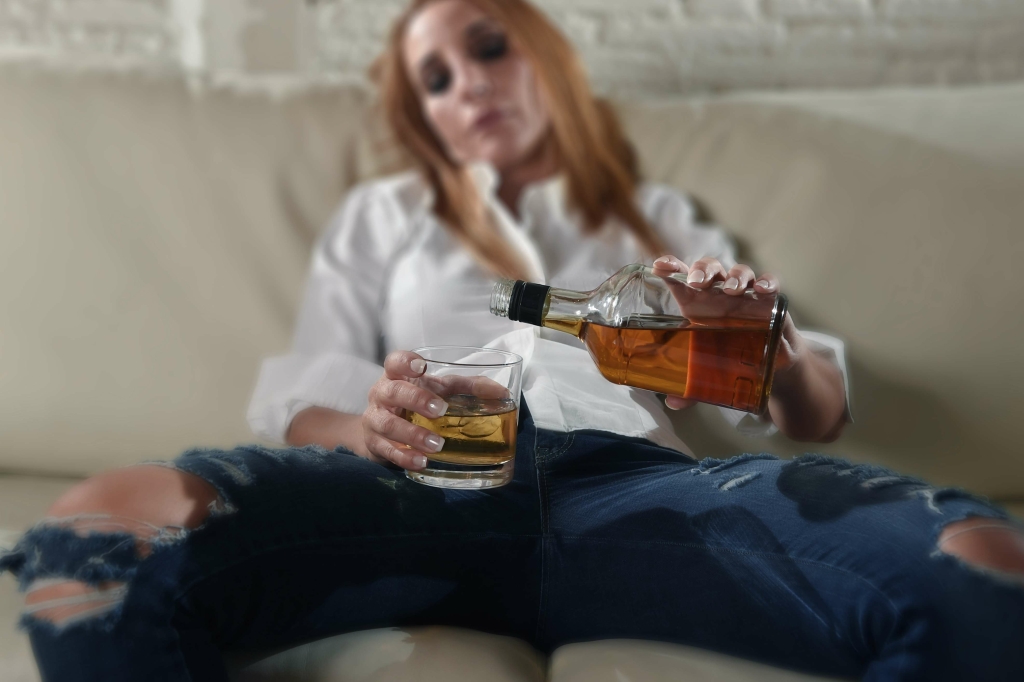
Is Anxiety an Intellectual Disability?
For example, caffeine, especially excess caffeine consumption, can trigger anxiety. Remember, it’s not just alcohol which can causes symptoms that lead to panic attacks. Excessive intake of other drugs and food, including caffeine and sugar, may also be triggers. The feelings that you experience during a panic attack can feel overwhelming. If you tend to use alcohol to manage uncomfortable emotional symptoms, such as anxiety or panic, then you might be tempted to do so during a panic attack. For instance, someone who has tried to stop drinking but couldn’t might have an AUD.
- Psychiatrists are doctors who have specialized training in diagnosing and treating complex mental health conditions through medication management.
- Treating co-occurring mental health conditions and substance use disorders simultaneously is often the most effective approach.
- With extensive experience in the field of addiction treatment, Francisco is dedicated to helping individuals access the resources they need for successful recovery.
Alcohol and Anxiety: Does Alcohol Cause Anxiety and Panic Attacks?
In conclusion, the decision to drink alcohol should be made with careful consideration of the potential benefits and risks involved. Understanding the effects of alcohol on mental health, including its potential correlation with panic attacks, is essential. By practicing safe drinking habits, exploring alternative options, and seeking support when needed, individuals can make informed choices that prioritize their mental and physical well-being.
- Early diagnosis and treatment are critical in preventing the condition from worsening.
- As the initial calm feeling fades you can feel anxiety as the effects of the alcohol wear off.
- In the final section, we will explore the broader topic of alcohol consumption and discuss the pros and cons of drinking, safe drinking habits, and alternative options to alcohol.
- Records of the care you receive from Charlie Health will be shared with your primary care provider (PCP) via an electronic patient record system or provided in a different manner unless you opt out.
- Drinking patterns are another significant factor; heavy or binge drinking, particularly chronic alcohol use, substantially increases the risk compared to moderate consumption.
How to cope with a hangover panic attack
Only a qualified healthcare professional can diagnose an alcohol use disorder or an anxiety disorder. Although it may be tempting to ignore your symptoms, or to self-diagnose, the only way to access the resources you need to recover is by getting a clinical diagnosis. Anyone can experience anxiety—or “hangxiety”—after drinking, even if you aren’t dealing with alcohol dependence. However, if you find yourself frequently experiencing anxiety and regret after drinking, particularly after heavy drinking, it may be a sign of a more serious problem. The more you drink, the more likely you are to induce chemical changes that can trigger panic attacks and other https://ecosoberhouse.com/ health problems.
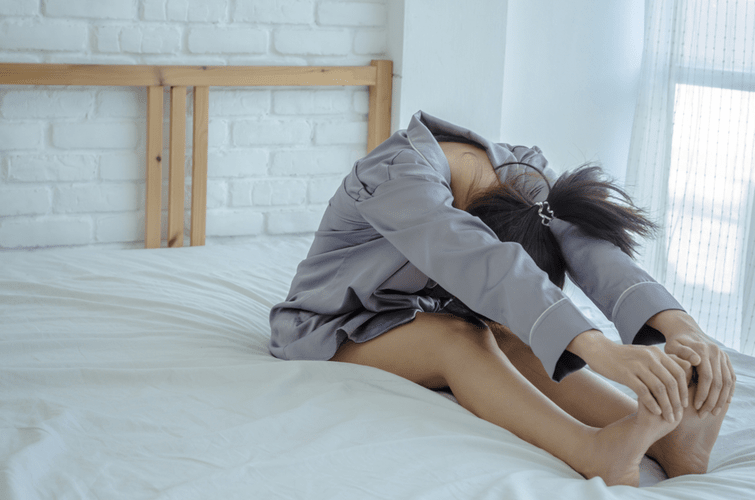
Alcohol Withdrawal and Anxiety
Fortunately, there are a number of effective strategies to help people learn how to manage their anxiety and prevent panic attacks from occurring. Too much alcohol can have the opposite effect, depleting GABA levels, and triggering more tension and anxiety. In addition, as the alcohol is metabolized, a person’s blood sugar can drop and dehydration can set in, leading to a rise in panic symptoms. During the height of my drinking days, I used to wake up to a racing heart and the most intense feelings of dread. Alcohol also blocks glutamate, an excitatory neurotransmitter linked to anxiety. If you are someone who struggles with an anxiety disorder, this feels especially wonderful.
How Anxiety and Alcohol Feed into Each Other
Avoidance behaviors may develop, with individuals steering clear of situations that trigger anxiety. Social withdrawal is not uncommon, Substance abuse as people may isolate themselves to manage their symptoms. Increased alcohol consumption to self-medicate anxiety can create a harmful cycle, worsening symptoms over time. As the effects of alcohol wear off, individuals may experience heightened anxiety, creating a cycle of dependence. This pattern can make it challenging to break free from using alcohol as a coping mechanism.